The Flora of Alexandria
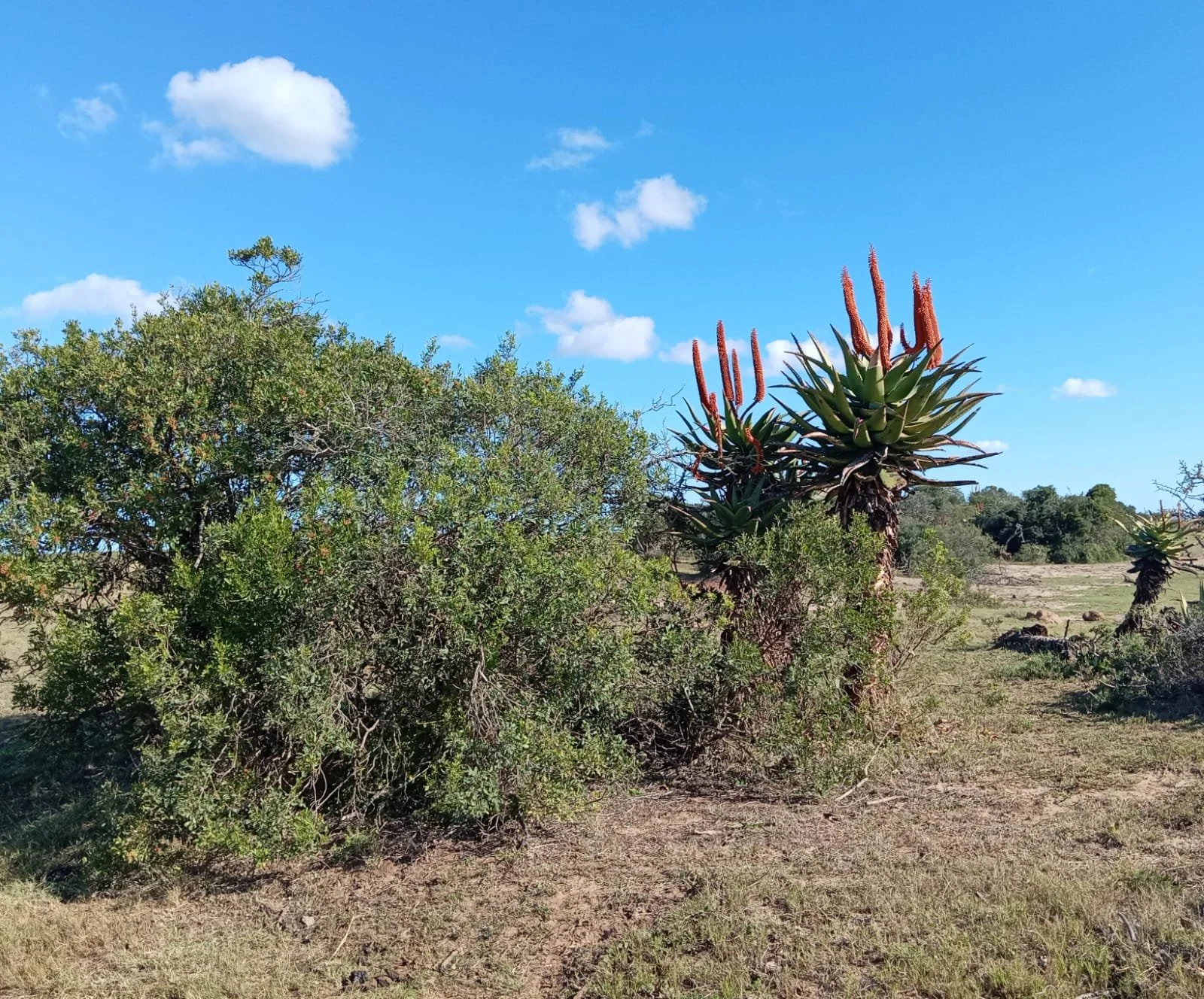
The small town of Alexandria in the Eastern Cape, South Africa, is surrounded by some very special plant life. Alexandria sits right in the middle of the Albany Thicket (which is also called a Subtropical Thicket), a type of dense, bushy vegetation that is tough and full of interesting plants.
This area acts like a natural meeting point for different kinds of landscapes (biomes): dry shrublands from the Karoo, grassy areas like fynbos, coastal dunes, and even some forest. That mix creates a lot of variety plants of which many are tough succulents (plants that store water in their leaves or stems), thin bushes, and climbers that help them to survive dry spells, hungry animals, and changing weather.
What the Vegetation Looks Like Around Alexandria
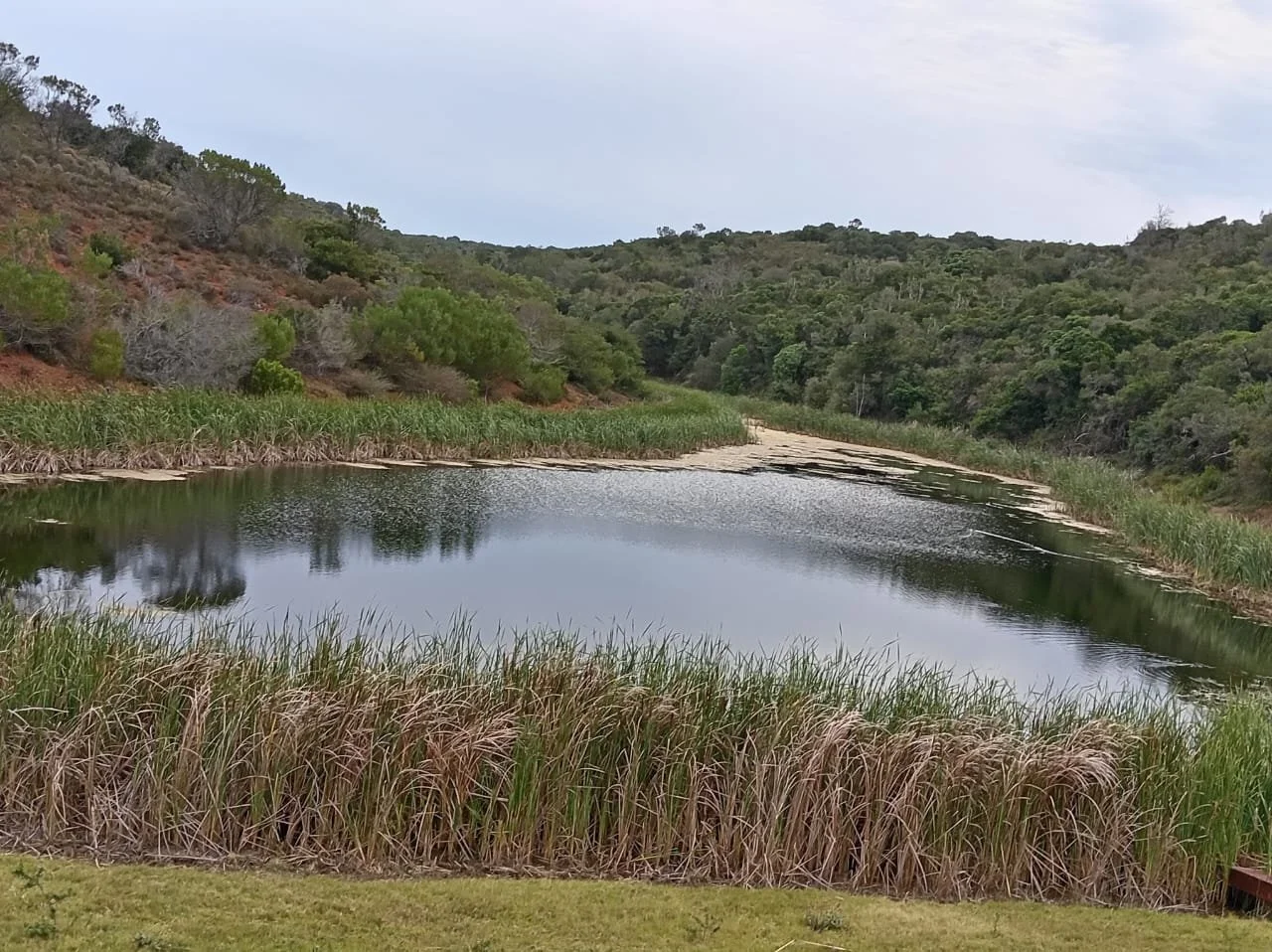
Albany Thicket: This is the main type and is thick, evergreen or partly losing leaves bushes and small trees up to about 2–3 meters tall. It is full of succulents, thorny plants, and climbers. It grows best on deeper sandy or loamy soils in valleys and slopes.
Coastal Dune Areas: Near the coast (in places like the Woody Cape section of Addo Elephant National Park), you will find dune thickets and scrub on sandy dunes, with taller trees in some spots and open grassy patches.
Other Influences: Higher up, there are grassy fynbos-like plants; inland, patches look more like the dry Karoo with spiny succulents.
All this supports thousands of plant species in the wider thicket area, with many unique to this part of South Africa (around 20% are found nowhere else).
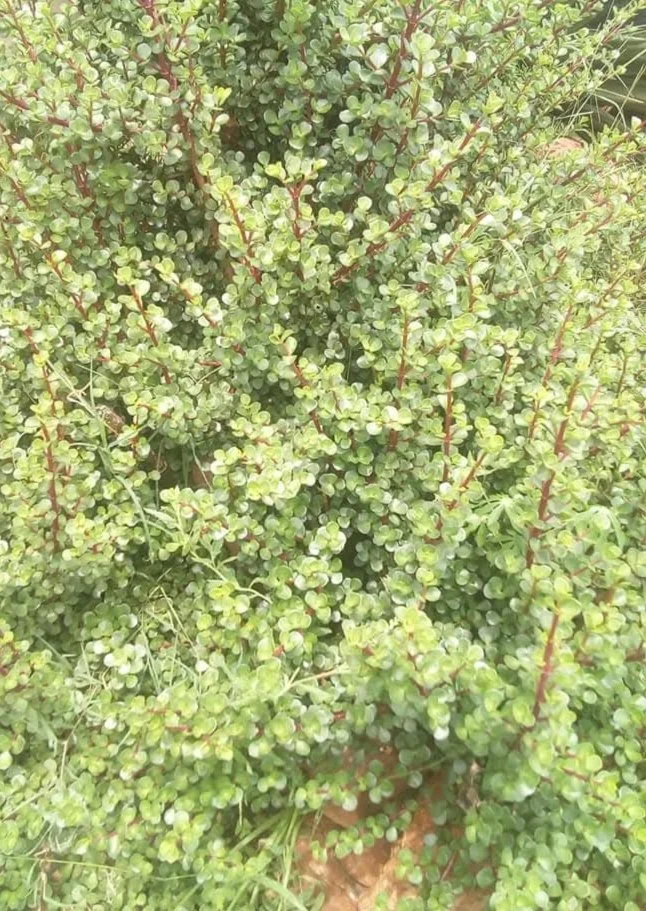
The thicket around Alexandria connects different plant worlds or biomes (like fynbos, Karoo, and subtropical areas),and making it a hotspot of a very unique nature. It helps store carbon (spekboom), holds soil in place on dunes to stop erosion, and gives food and homes to animals.
Sadly, things like too much grazing, invasive plants, and land changes have damaged some areas, but people are working to fix it by planting more spekboom and protecting flora in parks.
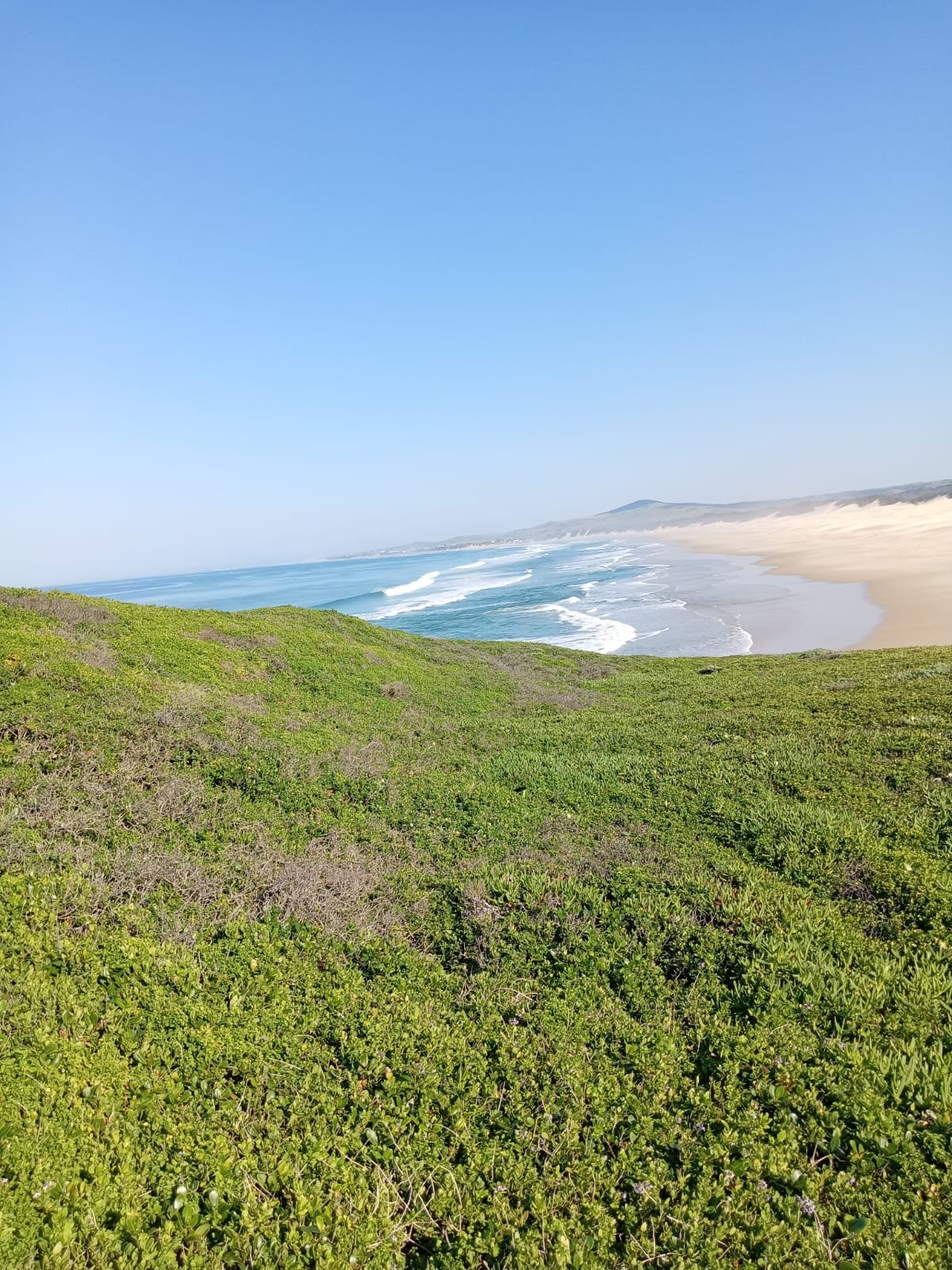
If you visit Alexandria, take a hike on the dune trails in Woody Cape and you will see this amazing, underrated plant world up close.
It's not as colorful as the famous Western Cape flowers every year, but it's full of tough, fascinating plants that tell a story of survival and beauty.